Bedroom Color Combination Tips for Creating a Balanced and Beautiful Interior You’ll Love
Your bedroom should feel like your favorite escape, not a room where every color competes for attention. The right bedroom color combination can make a small room feel bigger, a dark room feel brighter, and a plain room feel effortlessly stylish. The best part? You don’t need an interior designer to make smart color choices. You just need a few practical tips and a little confidence.
Why Your Bedroom Color Combination Matters
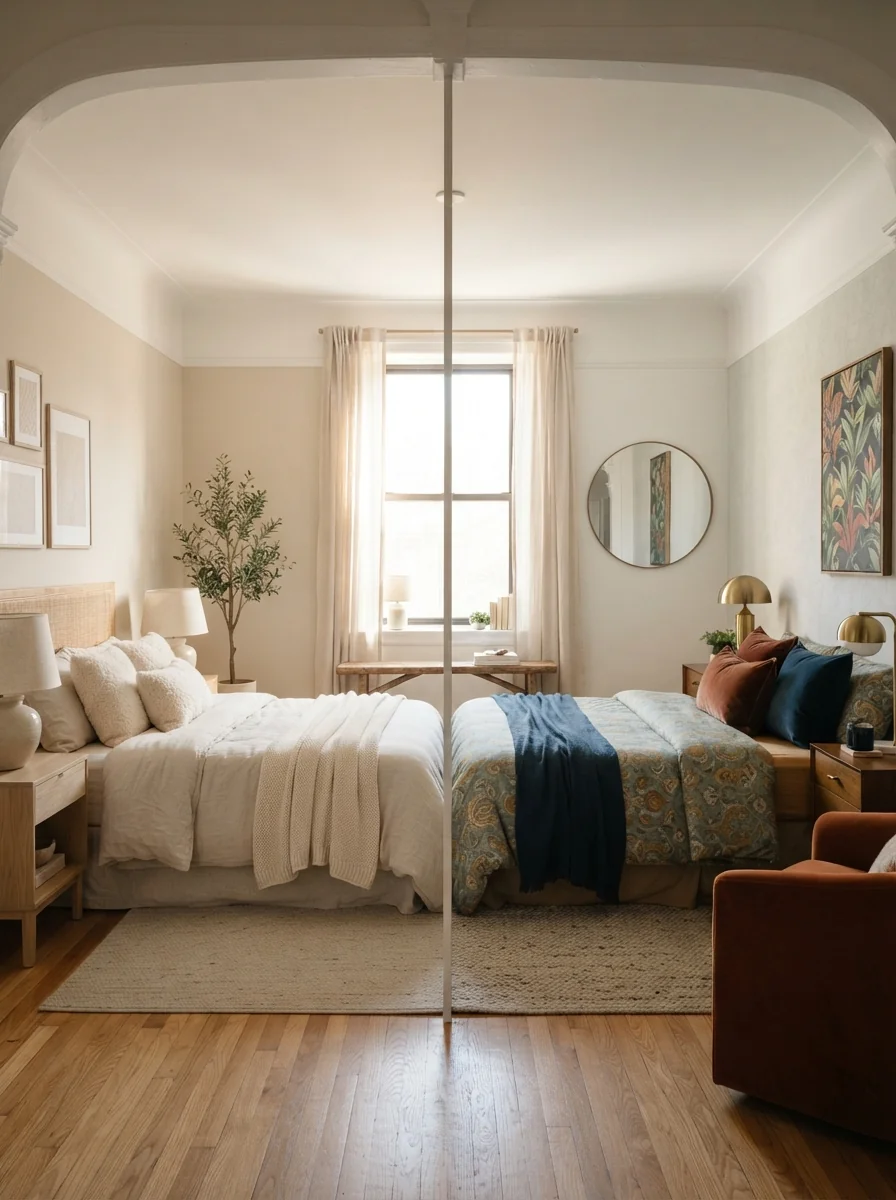
Color shapes the mood of a room faster than almost anything else. Walk into a bedroom with soft neutrals and you’ll probably feel relaxed. Step into one with bold reds everywhere, and suddenly your brain decides it’s time to stay awake.
A balanced bedroom color combination creates harmony instead of visual chaos. It helps furniture, textiles, and decor work together instead of fighting for attention. That’s exactly what turns an ordinary bedroom into one that feels polished.
Think of colors as teammates. Every player has a job, and the room works best when nobody tries to score every goal.
Start With a Main Color
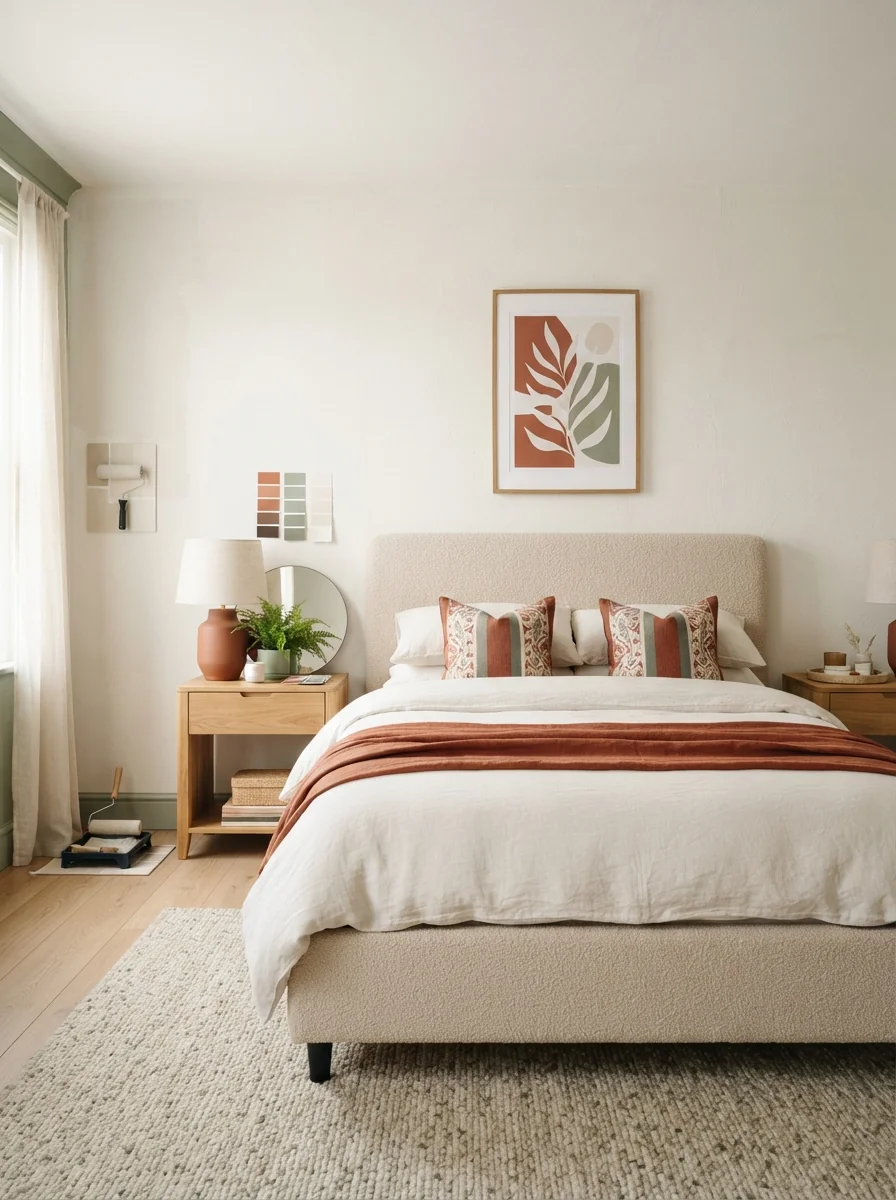
Don’t choose five colors first and hope they magically cooperate. Pick one dominant color that covers most of the room, especially the walls.
Popular choices include:
- Warm white for a bright, timeless look
- Soft beige for cozy warmth
- Light gray for a modern feel
- Sage green for a calming atmosphere
- Dusty blue for peaceful vibes
Once you have your foundation, adding supporting colors becomes much easier.
Use the 60-30-10 Rule
This simple decorating rule rarely disappoints.
- 60%: Main wall color
- 30%: Furniture, bedding, rugs, or curtains
- 10%: Accent colors through pillows, artwork, lamps, or decorative accessories
This approach keeps everything balanced without making the room look flat or boring.
Choose Color Combinations That Always Work
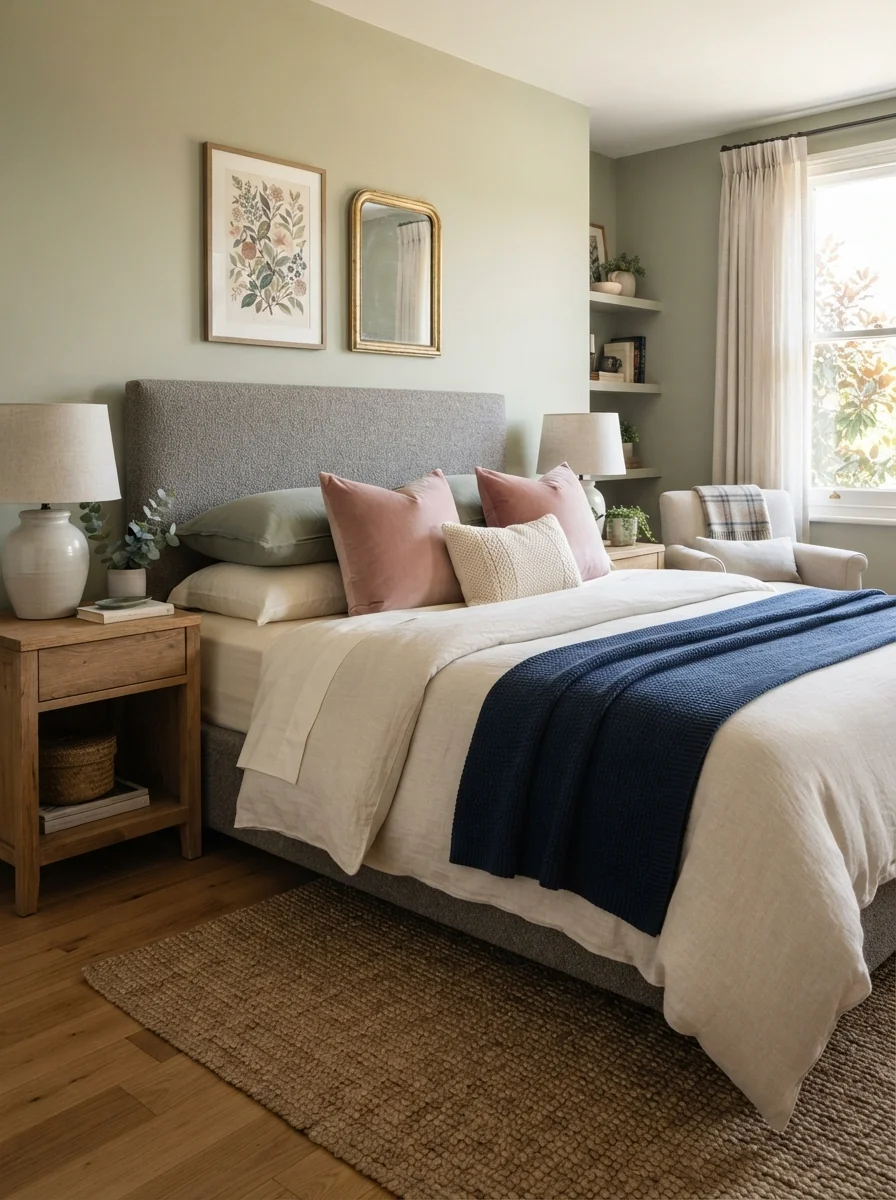
Some pairings stay popular because they simply look good together. You don’t have to reinvent the color wheel.
White and Beige
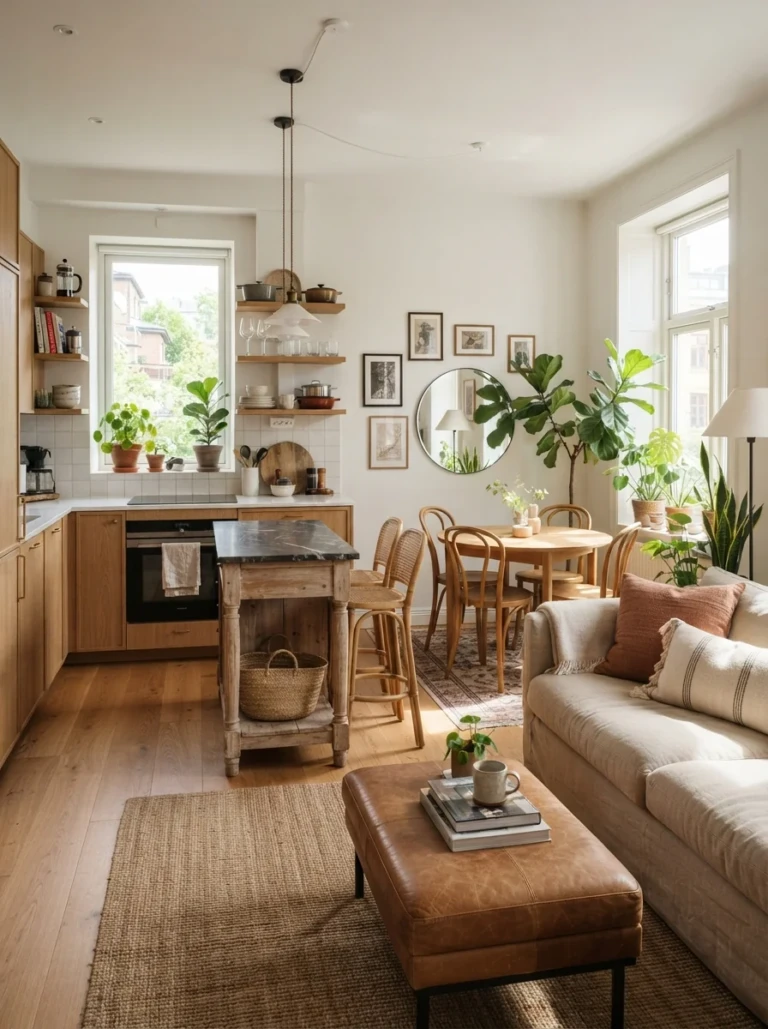
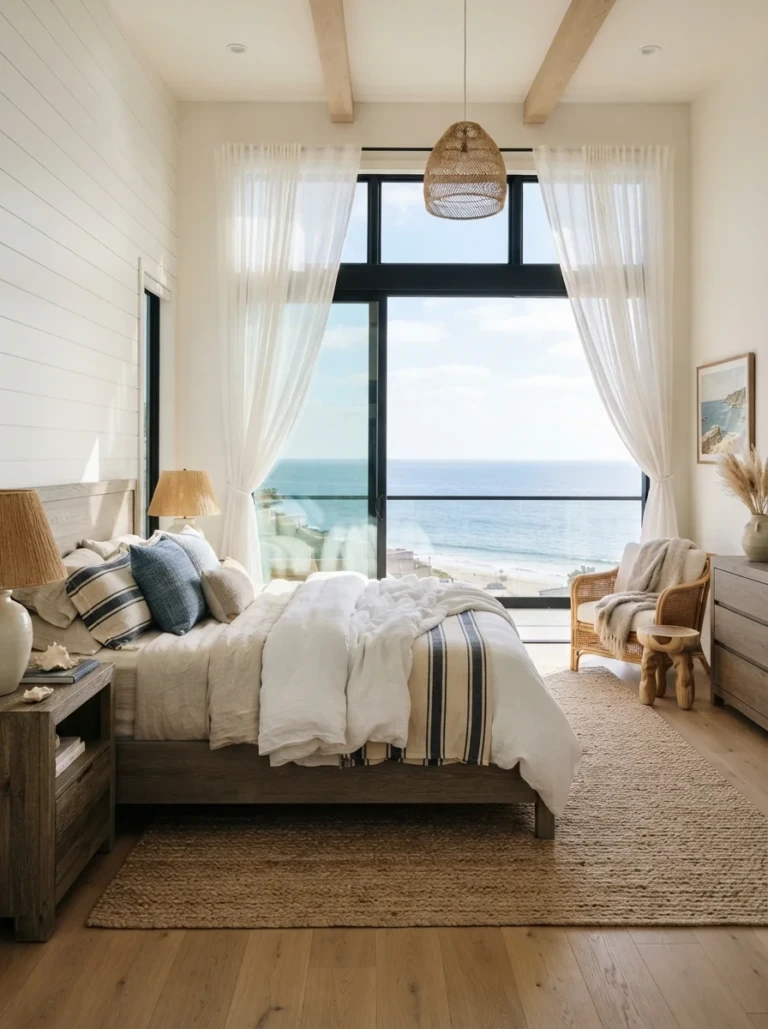
This combination feels warm, clean, and inviting. Add natural wood furniture and woven textures for an effortlessly cozy bedroom.
Gray and Navy Blue
Love a modern look? Gray softens navy while navy adds depth. Finish the room with white bedding and brushed metal accents.
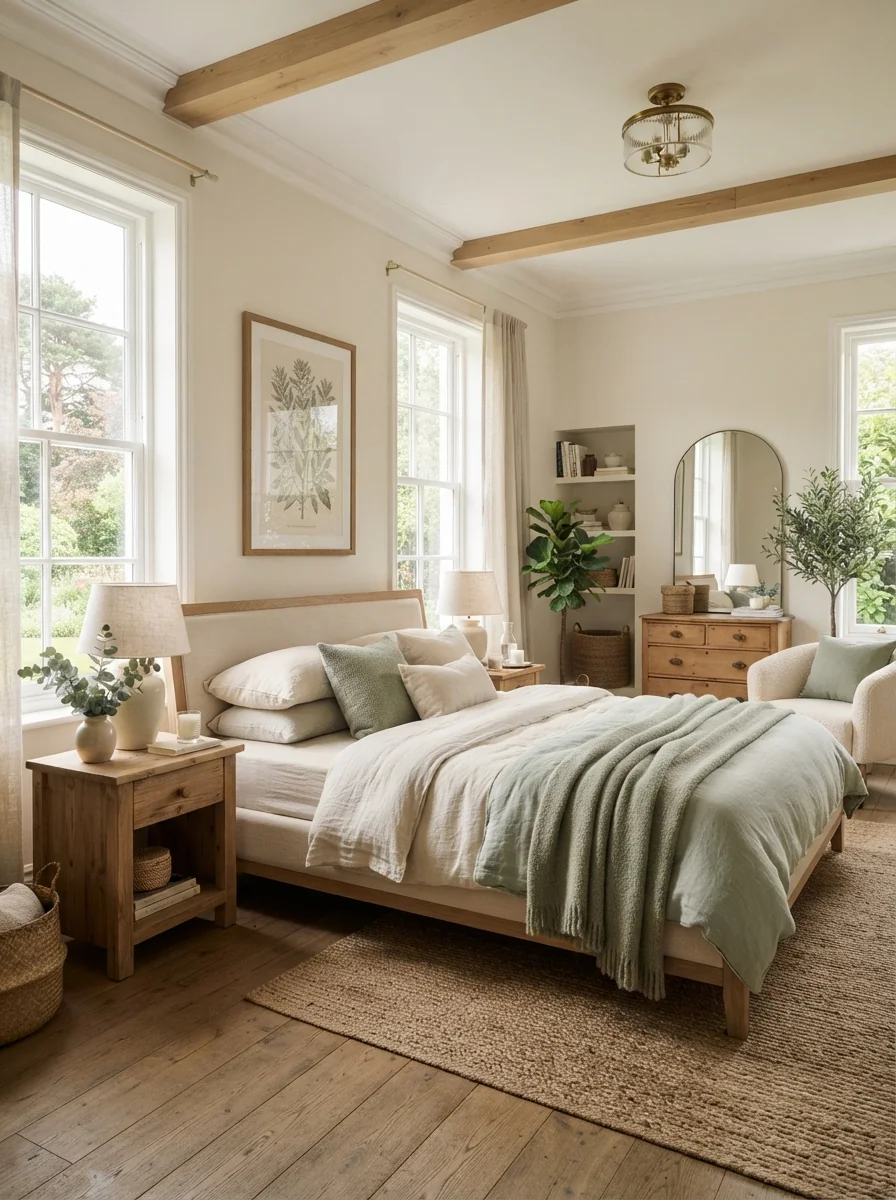
Sage Green and Cream
Nature-inspired palettes continue to dominate for good reason. Sage feels fresh without screaming for attention, while cream keeps everything soft.
Blush Pink and Charcoal
This pairing creates contrast without feeling overwhelming. The dark charcoal grounds the room while blush adds warmth and personality.
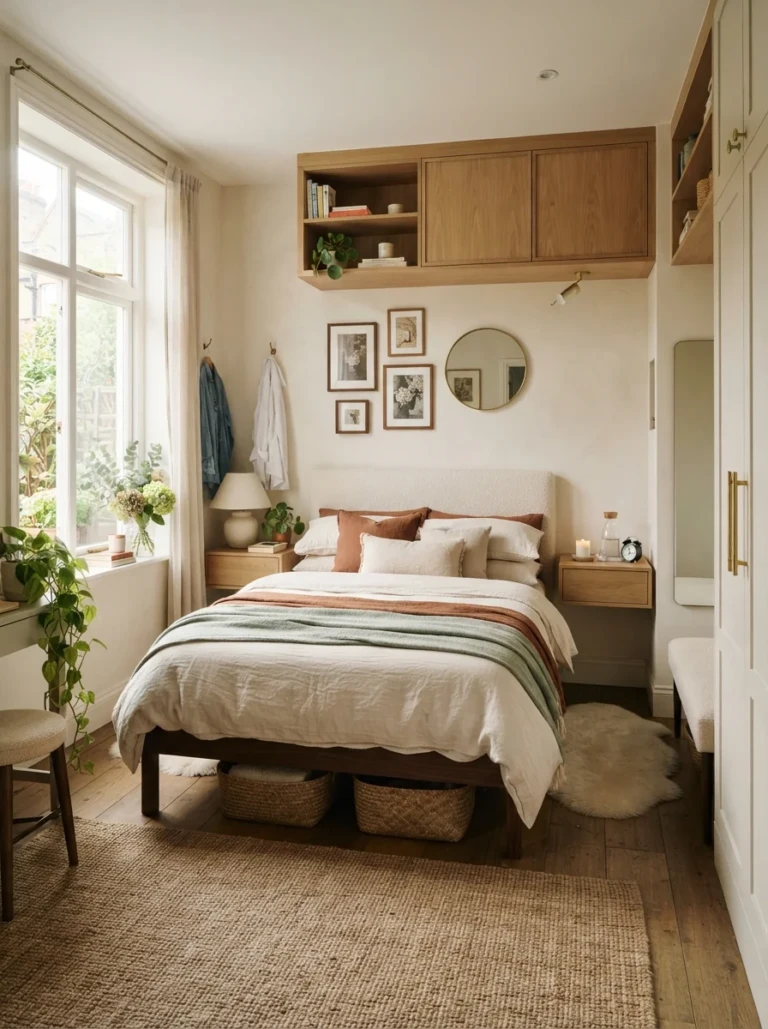
Terracotta and Soft White
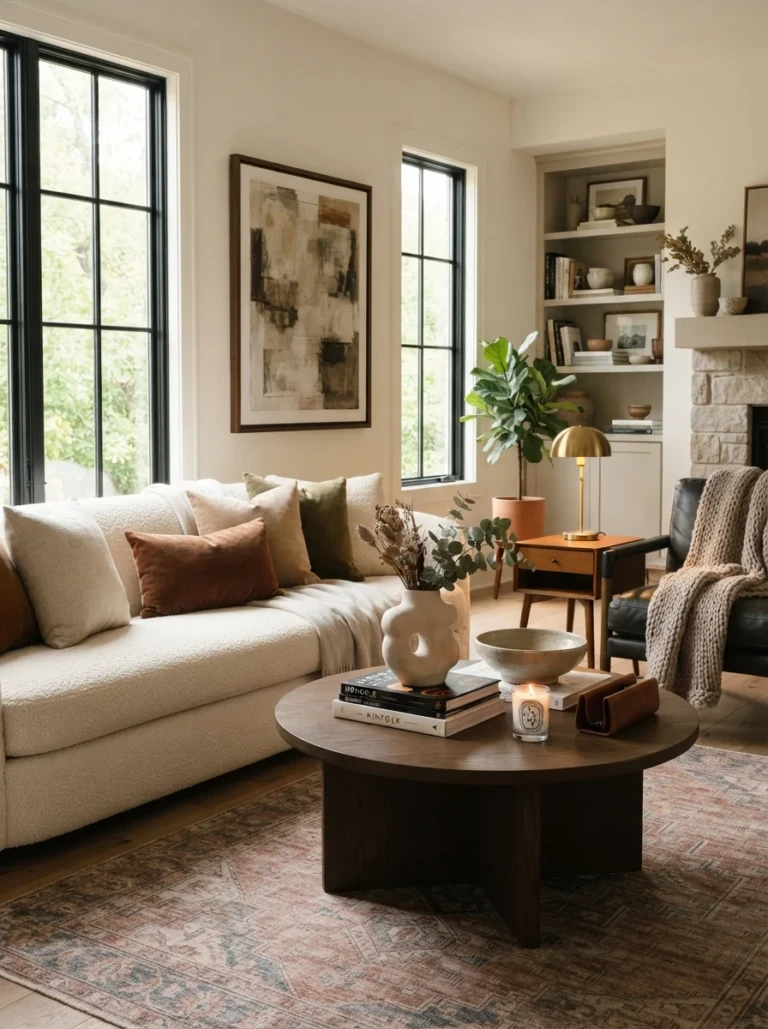
Want something earthy? Terracotta brings warmth, while white prevents the room from feeling too heavy. IMO, this combination looks even better with lots of plants.
Balance Warm and Cool Colors
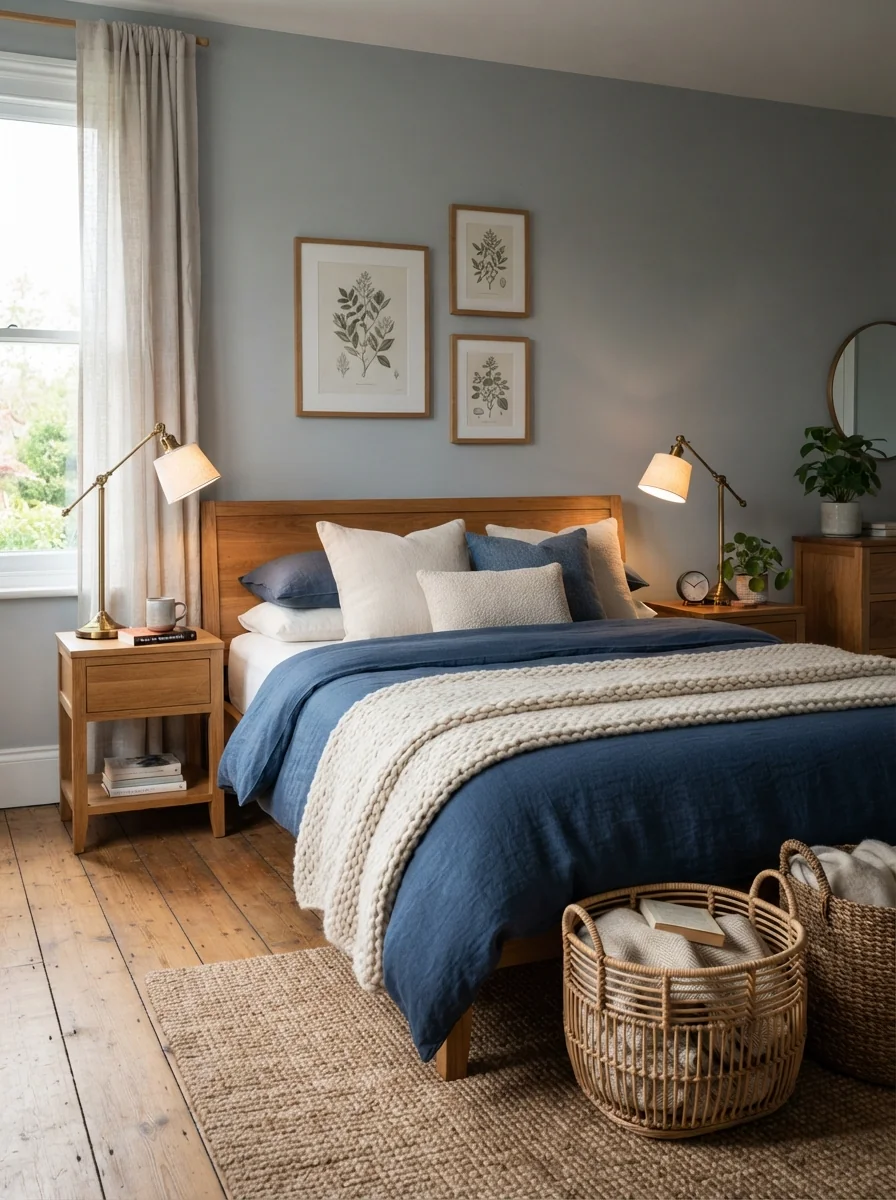
One mistake many people make? They choose only warm or only cool shades.
A room full of cool blues and grays can sometimes feel cold. On the other hand, too many warm oranges and yellows may feel overwhelming after a while.
Instead, mix them thoughtfully.
For example:
- Pair cool gray walls with warm wooden furniture.
- Combine soft blue bedding with beige pillows.
- Add brass lighting to balance cooler paint colors.
- Use cream instead of bright white if your room feels too stark.
Small adjustments often create the biggest difference.
Don’t Forget Texture
Texture adds depth even when your color palette stays simple.
Mix materials like:
- Linen bedding
- Velvet cushions
- Chunky knit blankets
- Wooden nightstands
- Woven baskets
- Soft area rugs
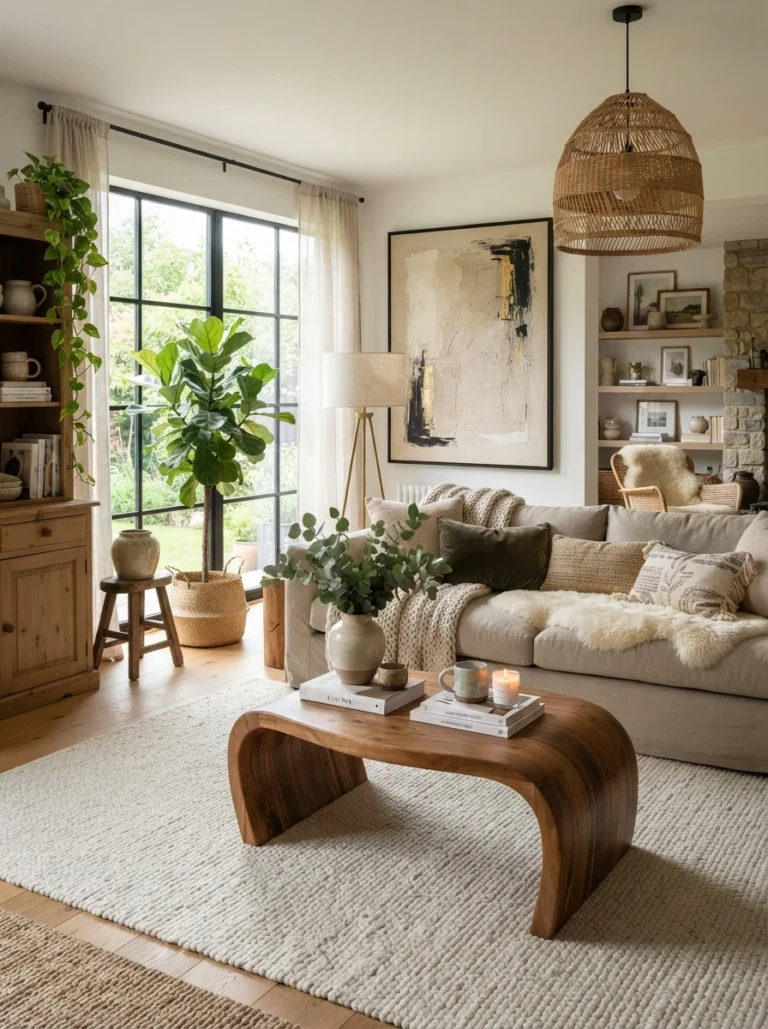
These layers keep neutral color schemes interesting without adding unnecessary colors.
Make Your Bedroom Feel Bigger or Cozier
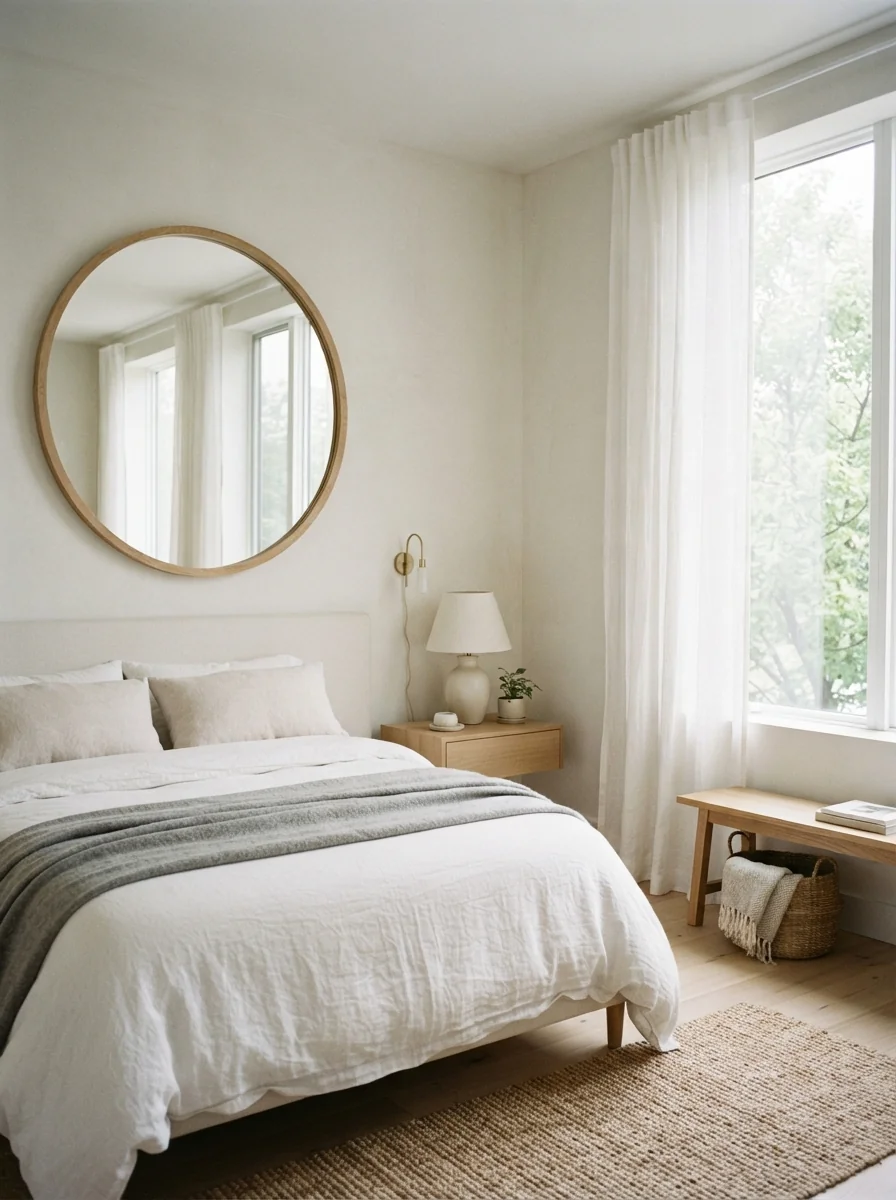
Color can completely change how large or small a room appears.
If your bedroom feels tiny, choose lighter shades like soft white, pale gray, light taupe, or muted green. These colors reflect more light and create an open feeling.
Want a cozy retreat instead? Darker shades like forest green, navy, charcoal, or chocolate brown create intimacy without feeling gloomy when paired with lighter bedding.
Natural light also matters. North-facing rooms often benefit from warmer paint colors, while bright sunny rooms handle cooler tones beautifully.
FYI, always test paint samples at different times of day. Morning sunlight and evening lamp light can completely change how a color looks.
Add Accent Colors Without Overdoing It
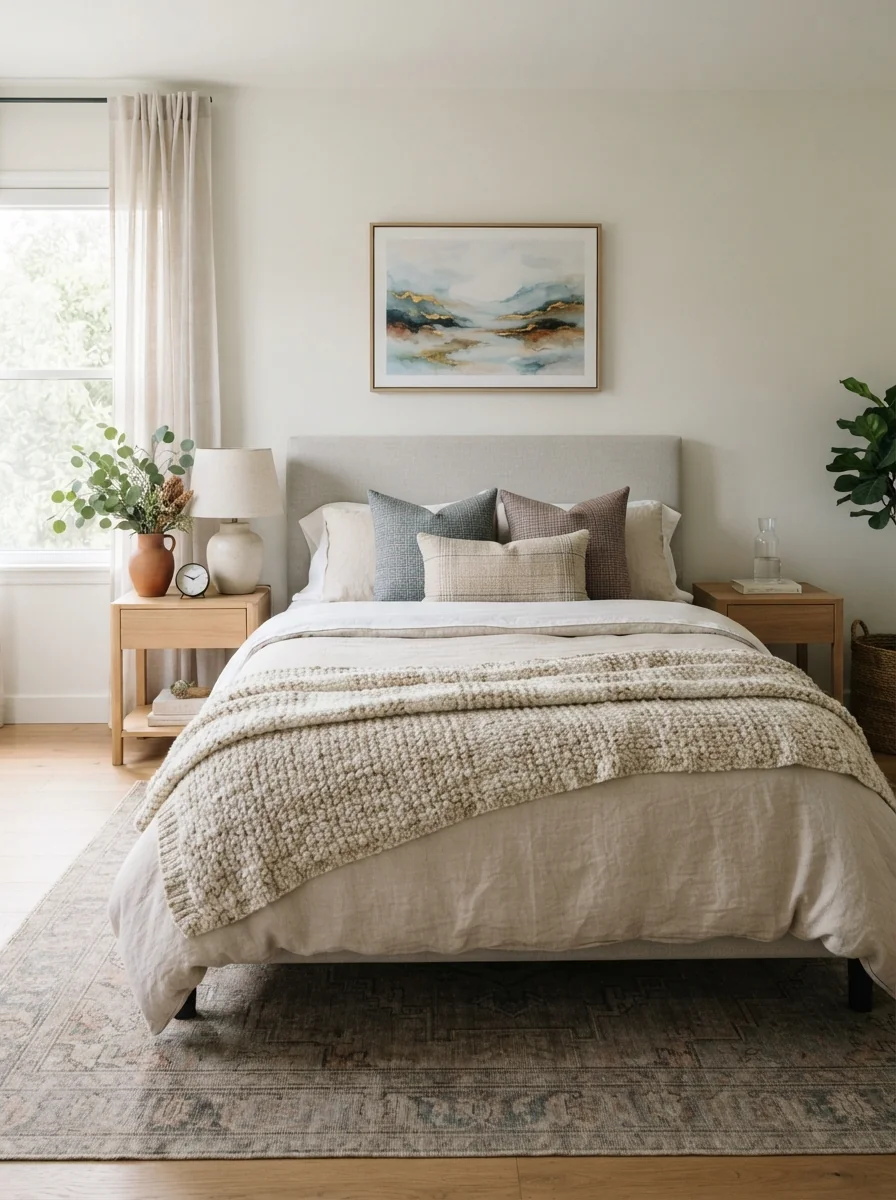
Accent colors should support your palette, not steal the entire show.
A few easy ways to introduce accents include:
- Decorative pillows
- Artwork
- Throws
- Lamps
- Vases
- Curtains
- Fresh flowers
- Small decorative objects
Stick with one or two accent colors throughout the room for consistency.
Gold accents work beautifully with warm palettes, while black or matte metal details complement modern color schemes. Natural wood fits almost everything, which explains why designers use it constantly.
Remember, not every empty corner needs another colorful accessory. Sometimes the room just wants a nap.
Common Bedroom Color Mistakes to Avoid
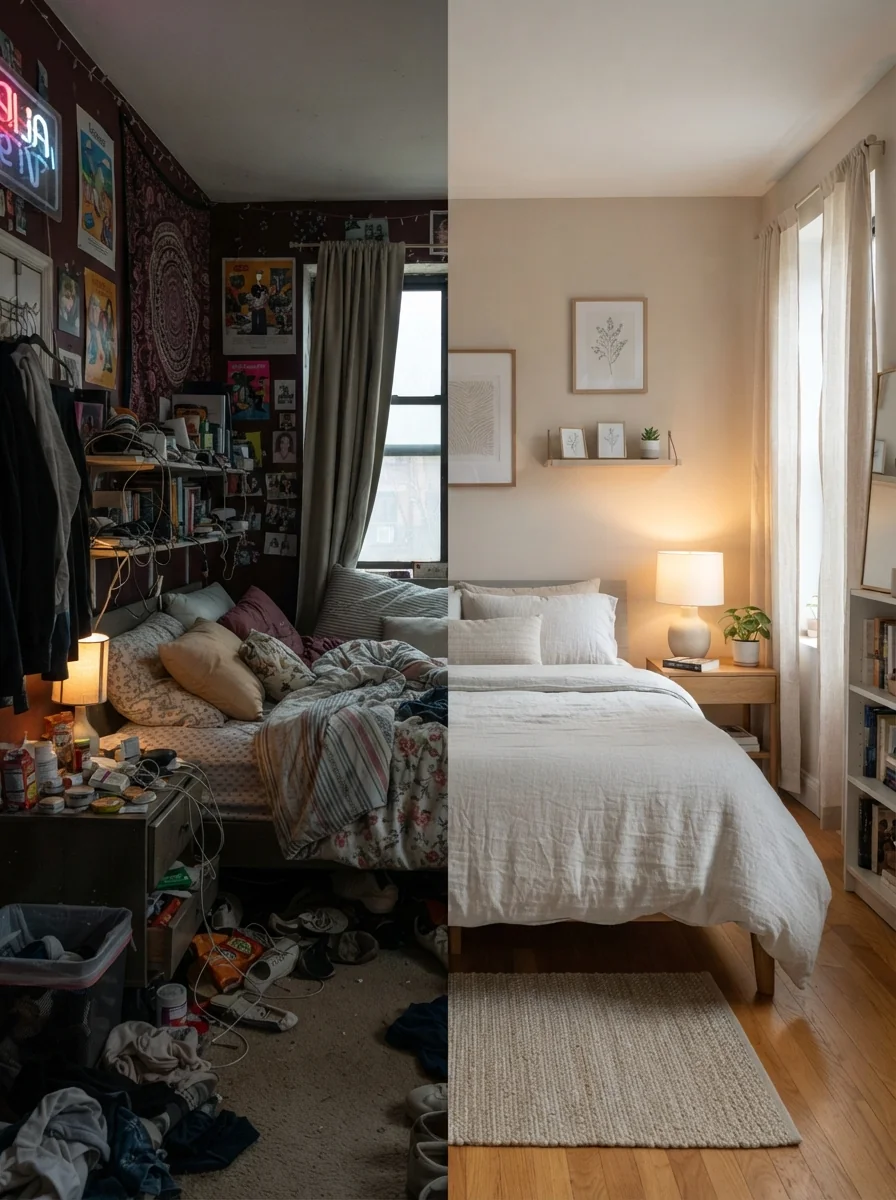
Even beautiful colors can fail when used the wrong way.
Avoid these common mistakes:
- Choosing paint before selecting furniture.
- Using too many bold colors in one room.
- Ignoring natural lighting.
- Matching every single item perfectly.
- Forgetting contrast.
- Skipping paint samples.
Perfect matching often makes rooms feel flat. Instead, choose shades that complement each other while adding a little variation.
A bedroom should feel collected over time, not like everything arrived in the same delivery truck.
FAQ
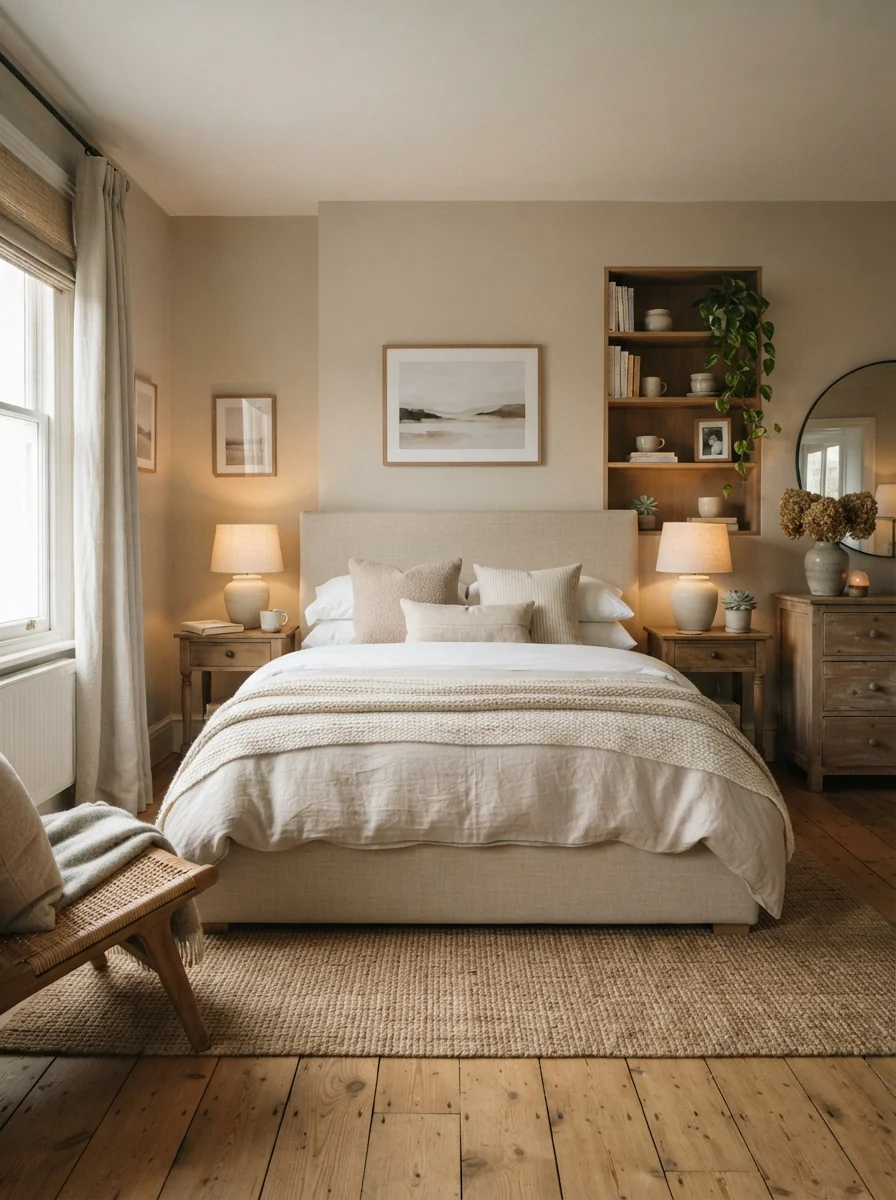
What is the best bedroom color combination for relaxation?
Soft combinations like sage green and cream, light blue and white, or beige with warm gray create calming spaces that encourage relaxation without feeling dull.
Which colors make a small bedroom look larger?
Light shades such as white, pale gray, soft beige, and muted pastel colors reflect more light and help small bedrooms appear more spacious.
Can I use dark colors in a bedroom?
Absolutely. Dark colors create warmth and depth when you balance them with lighter bedding, mirrors, and good lighting. They often make bedrooms feel luxurious and cozy.
How many colors should a bedroom have?
Three main colors usually work best. Follow the 60-30-10 rule to maintain balance while keeping the room visually interesting.
Should the bedroom furniture match the wall color?
Not exactly. Furniture should complement the wall color rather than blend into it completely. A little contrast creates a more dynamic and stylish space.
Conclusion
A beautiful bedroom color combination doesn’t depend on expensive furniture or complicated design rules. Start with one solid base color, build around it with complementary shades, and add texture for warmth and personality. Keep the palette balanced, trust your instincts, and remember that a bedroom should help you relax—not challenge your eyesight every time you walk in.